Are Casinos Rigging the Slot Machines?
Every single day, inside massive, multi-billion dollar casino resorts, thousands of frustrated gamblers hit the slot machines of glowing, high-definition digital video slot machines and angrily mutter the exact same, highly accusatory phrase: 'This game is a total scam!' When you lose money quickly, and the highly animated digital reels repeatedly, endlessly display losing combinations for twenty minutes straight, it is incredibly easy to become deeply paranoid. You begin to falsely, aggressively believe that a shadowy casino executive is in a back room pushing a button to make sure you lose. But is this terrifying, highly persistent casino myth actually based on physical reality? Are they scamming you, or is there a highly complex, flawlessly regulated mathematical algorithm working perfectly?. To find the truth from the real math, we must take a deep look inside the computer chip of the modern video slot machine.
The Digital Core: The Chip That Decides
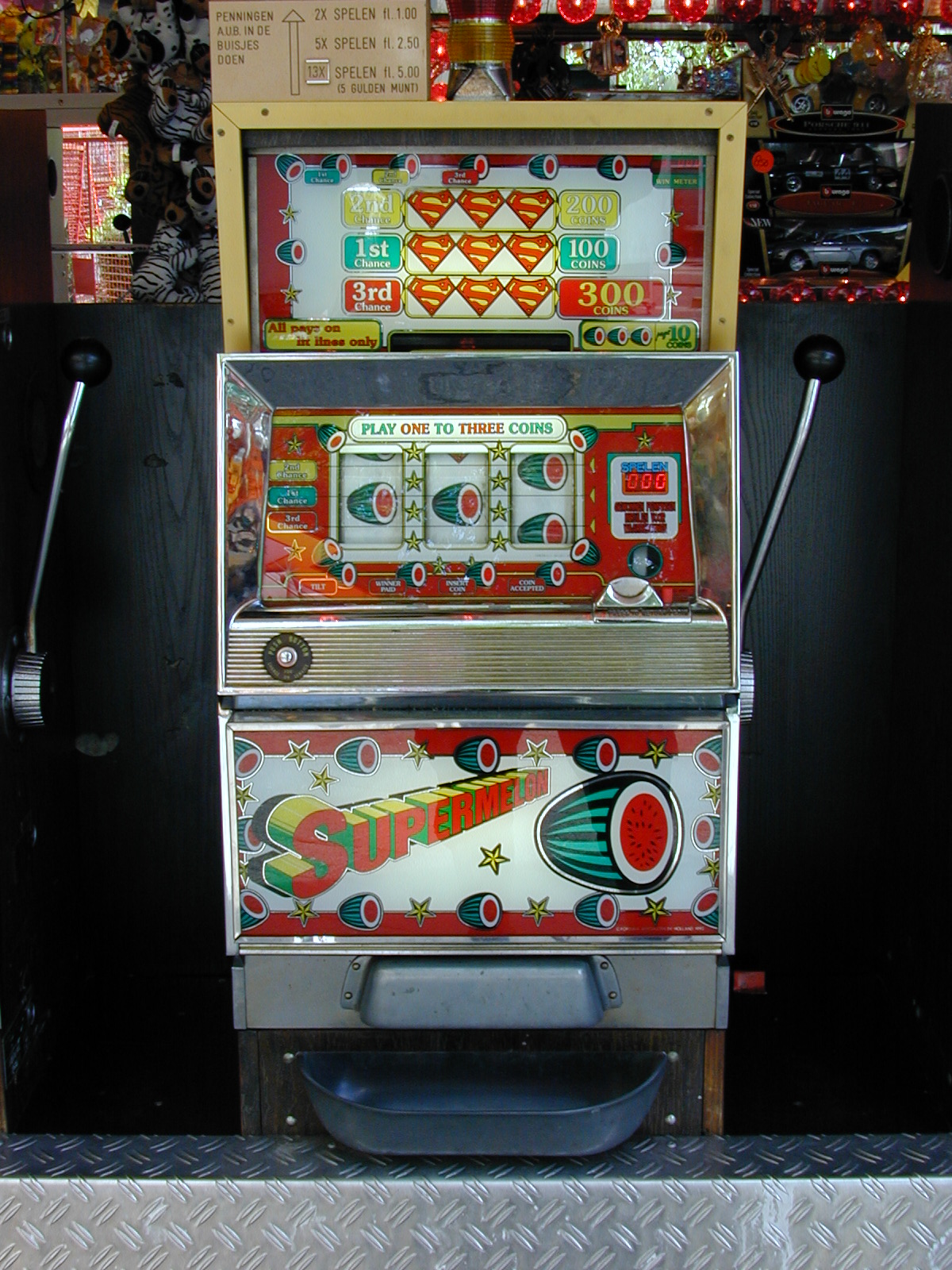
To completely understand why a modern, highly advanced digital slot machine is absolutely not 'rigged' illegally, you must learn about the tech that completely controls the game: the RNG. In classic mechanical slot machines, the results were determined by physical stopping points on a metal gear. That era is over. Today, a slot machine is essentially a highly secure, incredibly powerful massive computers. The digital RNG chip inside the cabinet runs forever, even when absolutely nobody is physically touching the machine. It generates thousands of massive, highly complex number sequences constantly. The exact microsecond your finger physically presses the glowing plastic "Spin" button, the RNG algorithm instantly locks in the number. The spinning animation on the massive screen are just a movie. They are just a highly elaborate, highly entertaining digital movie playing out to visually reveal the outcome that the RNG chip already legally, mathematically decided the absolute instant you touched the button.
The House Edge: The Cost of Entertainment
Because highly emotional players consistently and rapidly lose their money, they falsely equate this mathematical loss means it is rigged. This is a massive misunderstanding of casino economics. The slot machine does not need to illegally cheat; it is completely, legally, and openly mathematically designed to slowly drain your bankroll. Every legally certified slot machine is programmed with a specific, highly audited Return to Player (RTP) percentage. For example, if a penny slot machine has a highly verified, legally audited RTP of exactly 90%, the mathematics dictate that, over the course of millions of spins, it will pay back $90 for every single $100 that is physically wagered into it. The casino legally, mathematically keeps the remaining $10 as their predictable 'House Edge.'. This mathematically guaranteed, highly regulated 10% profit margin is exactly how the casino corporation pays for the massive building, the free cocktails, the massive security team, and their incredibly wealthy corporate shareholders. The machine is completely, absolutely playing exactly by the rules; it is just that the highly regulated mathematical rules are explicitly designed to ensure the casino wins.
- Understanding Streaks: Players think if a machine has not paid out a jackpot in three weeks, it is mathematically "due" or "hot.". This is the destructive Gambler's Fallacy. Because the digital RNG algorithm has absolutely zero memory, it doesn't care about the past. Every single spin has the exact same probability of hitting the massive grand jackpot as the spin before it.
- The Backroom Switch: A common myth claims that a massive casino boss can actively press a button to instantly turn off a winning machine. In highly regulated, legal jurisdictions, this is completely, technically, and legally impossible. Changing the mathematical RTP requires shutting down the physical machine, breaking physical, legally audited security seals, and changing a chip.
- The Illusion of Winning: While the machines are completely, mathematically fair, they are highly engineered and deeply psychologically designed to aggressively manipulate your human emotions. Slot machines are legally programmed to show "Near Misses" where you almost win lands just above the payline. This visual trick mathematically forces your brain into feeling excitement, making you think you almost won, even though the RNG had completely decided you were a loser the absolute instant you touched the button.
Understanding the Difference: Protecting Yourself
To completely, absolutely understand the massive difference between an illegal scam and a regulated game, look at this chart. It contrasts the paranoid myths of rigged machines with the cold, verifiable mathematical reality of the modern global casino industry.
| The Common Player Belief (Myth) | The Actual Mathematical Reality (Fact) | Why We Think It |
|---|
| The casino controls the machine remotely. | The RNG is autonomous. Changes require physical audits. | Losing makes us paranoid. |
| The machine is 'due' to hit. | Math has no memory. | The Gambler's Fallacy makes the brain aggressively search for predictable patterns in pure chaos. |
| I almost won the massive jackpot! | A 'near miss' is a completely losing spin. The visual symbols are a highly engineered psychological trick. | The animation releases massive dopamine. |
Ultimately, when gambling in a highly regulated jurisdiction like Nevada, the slot machines are absolutely not 'rigged'. The massive casino corporations do not need to risk their gaming licenses by illegally installing secret chips. The math itself already completely guarantee that they will mathematically extract billions of dollars in profit. The machine is completely fair, highly random, and flawlessly regulated; but the rules that is explicitly designed to slowly defeat you over time. If you choose to sit down at a massive slot machine, you must accept you are paying a mathematical fee for the lights and sounds, the noises, and the tiny chance of hitting a massive, life-changing progressive jackpot. Blaming a highly secure, completely emotionless microchip for your losses is easy, but accepting the cold, hard mathematical reality is the only way to become an educated and highly responsible casino consumer.